
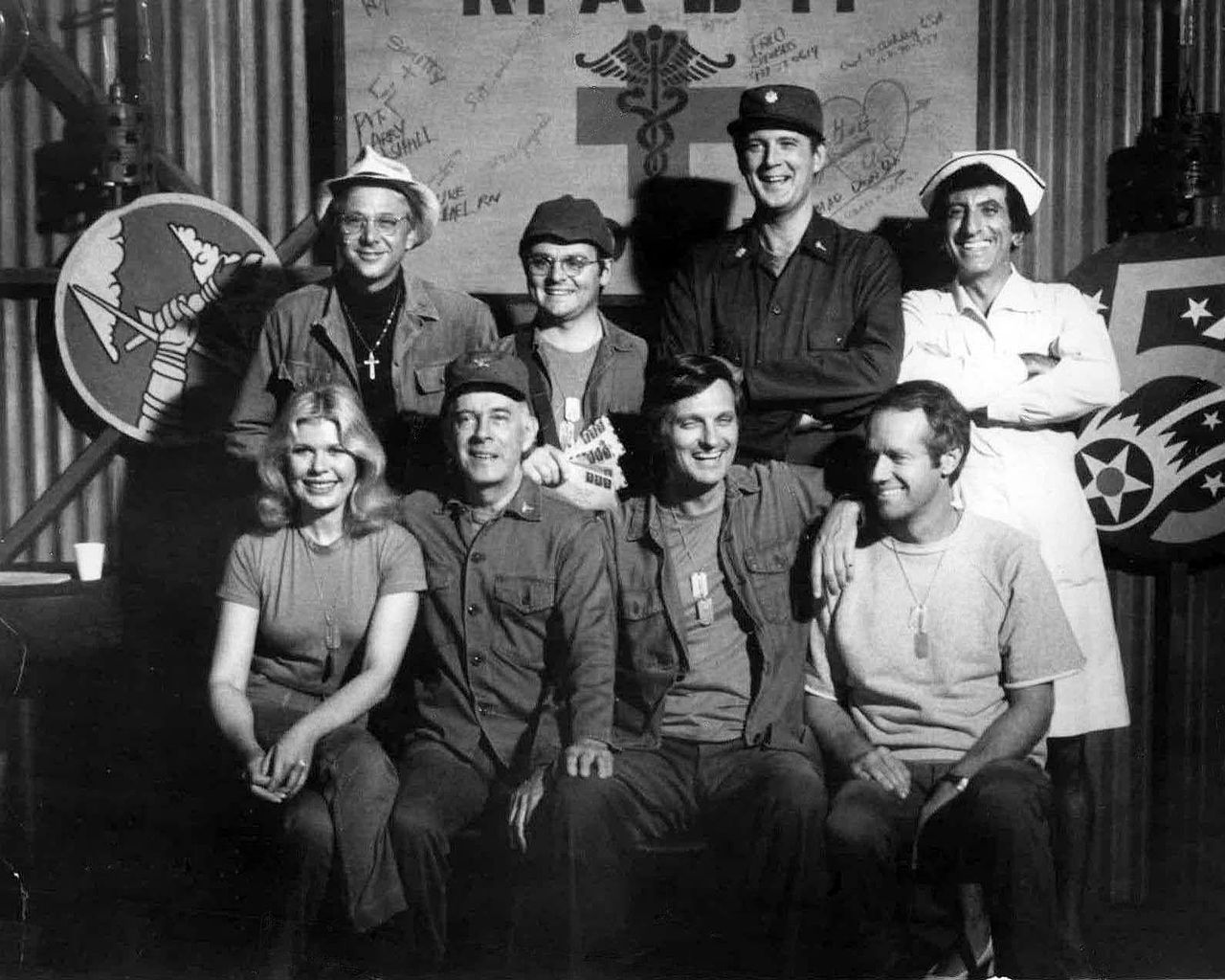
When you hear the term “chaplain” what comes to mind? I suspect it might be depictions in media. I think of Father Mulcahy in the television show “Mash” where he portrayed the role of a priest chaplain serving in a military unit. There is a long tradition of chaplains of all faiths serving in the military, even in areas of active combat. In addition, chaplains are common in law enforcement agencies, as well. Most police agencies, as well as fire departments, use hired or volunteer local clergy to fill the role. And what is this role anyway? It is often not well understood. Naturally it addresses the perceived spiritual needs of the personnel. But in an inclusive social environment, that does not mean evangelism of any one tradition. The content is broad and not necessarily specifically defined. Departments often call on clergy of various faiths and traditions as needs arise. But again, this but a small part of the story.
I have been a chaplain for area police departments for over two decades, and here is what I have learned. I feel great gratitude for the privilege of the role and the amazing experiences I have had with police officers, firefighters and first responders. But again what is it? Traditionally, the chaplain provides emotional, spiritual, and moral support to police and fire department agencies, their families, and the affected community. They also help with crisis intervention and counseling. In our society, with our spiritual diversity, many agencies call upon clergy of different traditions to step in when needed.
But “spiritual guidance” and support is just one part of the role. And if a family asks me to pray, you bet I will. For me perhaps a better term is “victim advocate” because this is the essential role of the person serving as a “chaplain.” The focus is separate from the duties of the officers. It is about comforting and helping families understand the crises of stress and trauma they are experiencing inside themselves. Essentially it is a role embracing the psychosocial challenges that obviously include the spiritual dimension for the individuals. And the individuals include not only the agency staff but the victims they encounter in all their work situations.
There is extensive and rich research on the stress challenges of the police profession. And being trained and dedicated to my principle professional interest in mental health, I have been most devoted to that area of focus than the clergy or “religious” part of chaplaincy. I learned from the research of others, especially including the work of Dr. Kevin Gilmartin, a retired veteran police officer and psychologist. His book “Emotional Survival for Law Enforcement” was clarifying and career changing for me in my role. Among his insights is describing the real nature of police stress. And he does so by describing the job-specific challenge of the vigilance necessary for doing the police job. In clarifying the rhythm of “vigilance” up through “hyper-vigilance,” he lays out the job challenge of managing this high-stress rhythm. I recommend this book to chaplains to assist their understanding of the formal role police are required to follow. And here is where the chaplain serves officers by understanding the traumas they face themselves and those they serve every day.
Read more about police chaplaincy in Part Two.