Tag: Parables

  • The Good Shepherd: What I Learned About Sheep

    The Good Shepherd: What I Learned About Sheep

    Growing up on the East Coast, I naturally had very little exposure to agriculture. I knew it was a massive enterprise, but it seemed far removed from my world—first in Brooklyn, where I was born, and later on Long Island, where I lived. Farming was something that happened “out there,” in distant, rural places. I held a vague admiration for people who worked the land and tended livestock, but it remained a detached curiosity.

    That changed when I was asked to teach on the passage where Jesus calls himself “The Good Shepherd.” The phrase, of course, made sense to me on an intuitive level. I got the general idea. But I quickly realized I had no real understanding of what shepherding—or sheep, for that matter—was all about.

    My curiosity kicked in, and I began learning everything I could about sheep. And let me tell you, it was fascinating—especially now that I live in Indiana, in the heart of agriculture country, surrounded by livestock farms.

    So what did I learn?

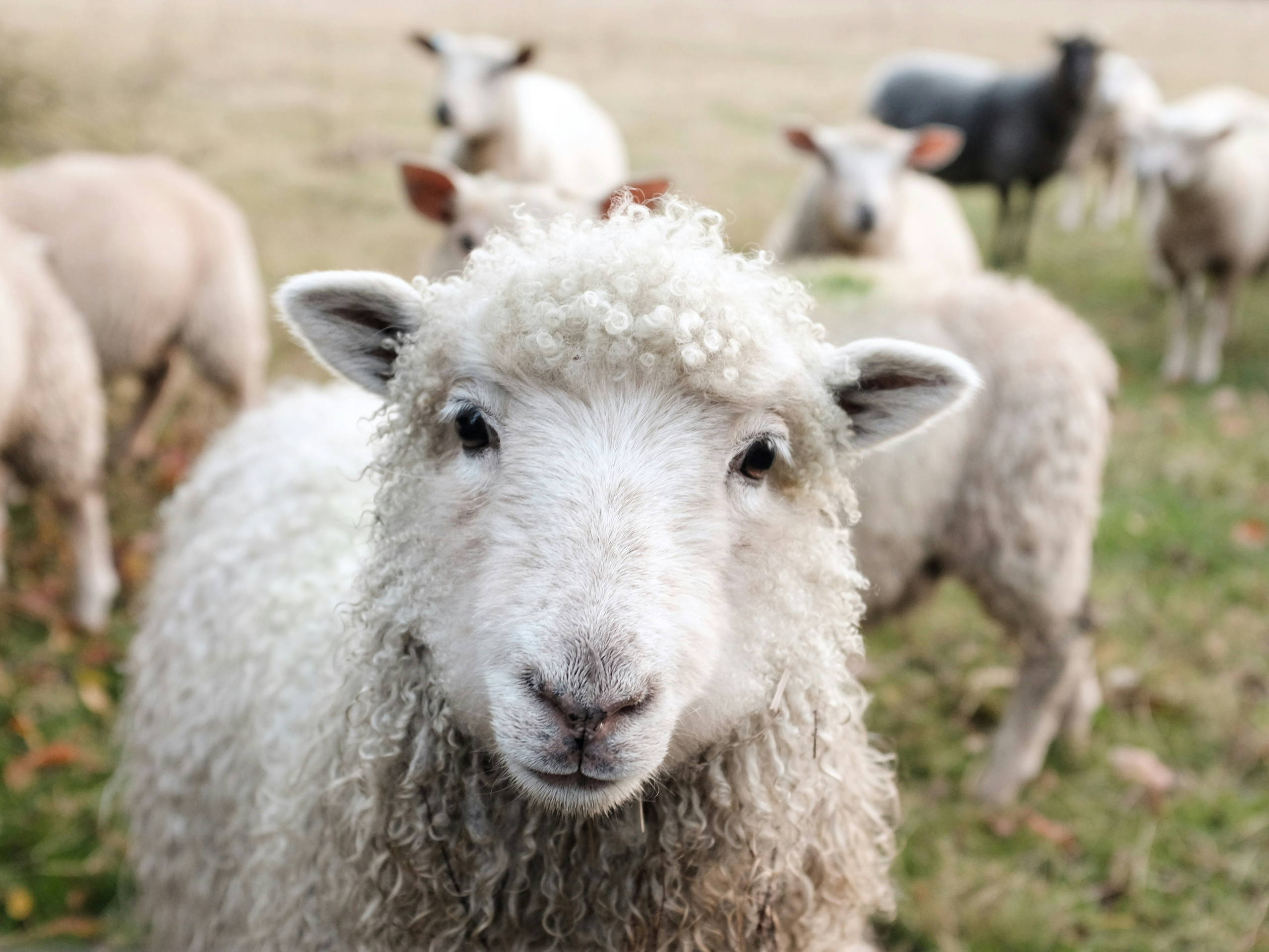
    In the world of sheep, their characteristics are well documented. They’re generally seen as tame and docile. But look closer, and you’ll discover they’re also quite intelligent. Sheep are herd animals—they find safety and comfort in being together. They typically don’t get aggressive unless threatened, and even then, it’s the rams who do most of the reacting. Because of their vulnerability, sheep are frequent targets for predators like wolves and foxes. That’s why they need a protector.

    Enter the Shepherd

    The shepherd is more than just a leader. He’s the guard, the guide, the ever-watchful protector. A good shepherd knows each sheep and is willing to go to any length to protect the flock from harm. Think of the shepherd as the cop on duty, constantly scanning for threats.

    And here’s something surprising I learned: sheep communicate through sensations in their feet. They can feel what’s happening around them. In open pastures, they rely on the shepherd—and often trained dogs—to keep them safe from intruders. It’s a sophisticated system built on trust, protection, and presence.

    So what’s the point?

    In Jesus’ metaphor, we are the sheep. Vulnerable. Prone to wandering. Exposed to all kinds of modern “predators” that would lead us astray or tear at our well-being. But with Jesus as our Shepherd, we’re not alone. We’re watched over. Protected. Guided.

    The message is clear: Stick with the Shepherd—and you’ll be safe from the wolves out there hungry to snatch your soul! Capeesh?